


Global Trade, Tariffs & Supply Chain Analysis
From the Supreme Court tariff ruling to a closed Strait of Hormuz, track how US tariffs, shipping costs, and supply chains are being redrawn in real time.
Featured
Global trade and tariffs are absorbing simultaneous, compounding shocks. The Strait of Hormuz is shut, cutting off over 20% of global energy trade. The Supreme Court tariff ruling replaced country-specific US tariffs with a blanket levy. And the EU-India deal is opening new corridors even as US protectionism deepens. Risks are cascading through shipping costs, supply chains and consumer demand worldwide. Download the report for the full picture →
Powered by our Global Economic Model and a team of over 400 economists and analysts, we provide timely, number-driven insights into trade and tariffs so you can cut through the noise and make decisions with confidence.
TRADEPRISM
Adapt to shifting trade flows
Model tariff scenarios on demand across ~99% of global trade, 1,200+ commodities, to 2050.
Explore TradePrismGlobal economy and supply chains
Three shocks. One seismic shift in global trade and tariffs.
The Strait of Hormuz is closed. The Supreme Court tariff ruling has rewritten the tariff war playbook. The EU-India deal is redrawing trade corridors. Shipping costs, supply chains and goods trade growth of just 2.3% in 2026 are all under pressure. The full story is in the numbers. →
-
 Global
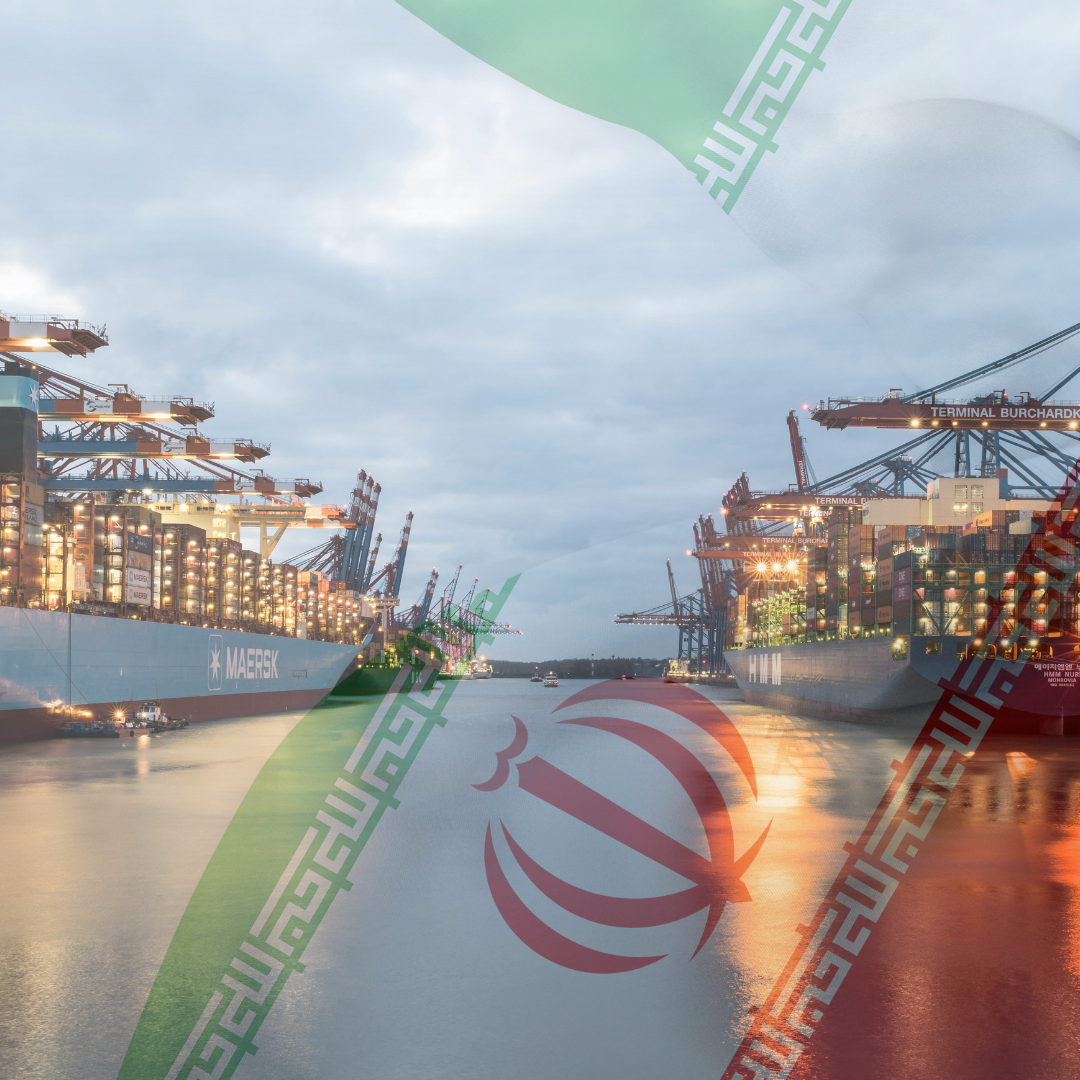
Uncovering trade vulnerability in a prolonged Iran war
-
 Global
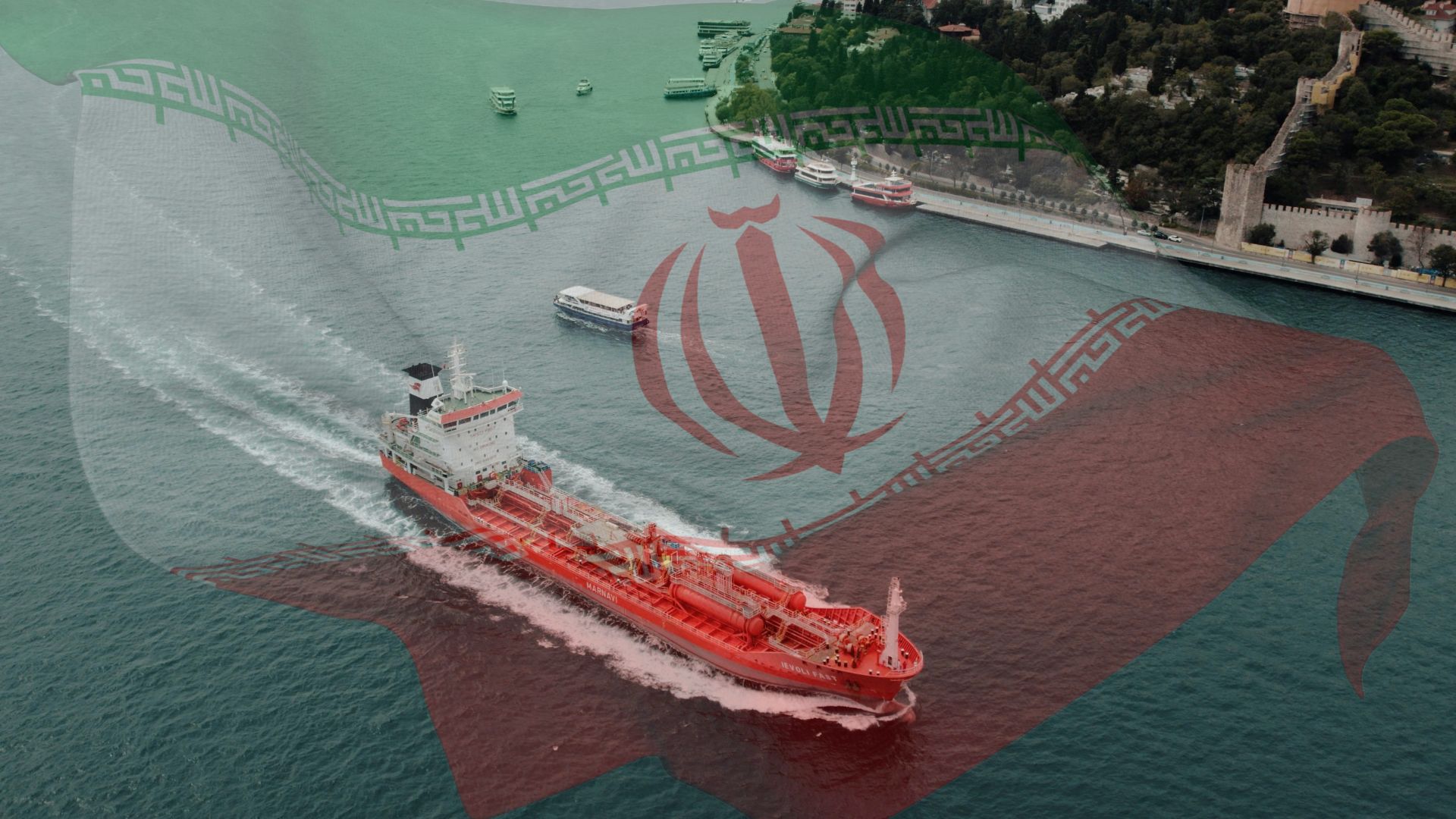
Shipping in for the long haul of Middle East conflict
-
 Global
From the Iran war to tariffs: how global shocks impact industry
-
 Global
The Supreme Court ruling sends US tariff policy back to the drawing board
-
 Global
USMCA scenarios: North American trade at a crossroads
-
 Global
Tariffs take a toll despite easing trade hostilities
Americas
The Supreme Court tariff ruling changed everything – but the clock is already ticking.
The Supreme Court tariff ruling dropped US tariffs from 12.7% to 8.3% overnight, then a new blanket rate pushed them back to 10.7%. US import volumes are now forecast to fall just 2.7% in 2026. But Section 122 expires July 24, and the tariff war is far from over. See where it goes from here. →
-
 Americas
US Tariff Monitor – New tariff authority, same uncertainty
-
Americas
The Supreme Court ruling sends US tariff policy back to the drawing board
-
Americas
USMCA scenarios: North American trade at a crossroads
-
 Americas
US 2026 outlook: Economy will continue to navigate choppy waters
-
 Americas
Unpicking the thicket of US tariff numbers
-
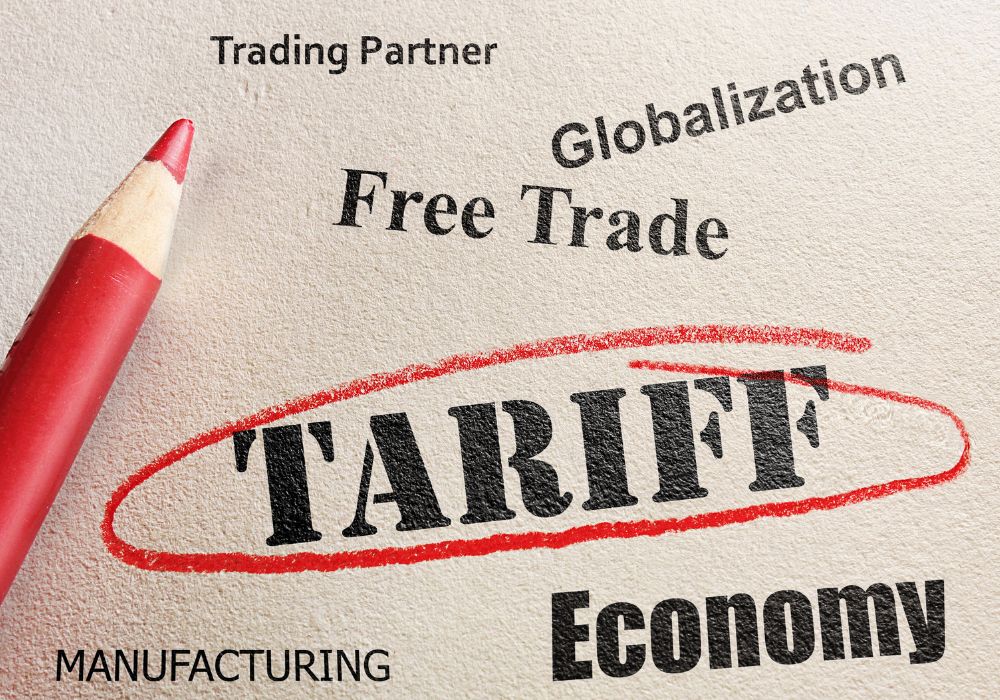 Americas
What are tariffs good for?
EMEA
While the US builds walls, the EU is building corridors.
Europe faces the Middle East shock on two fronts: disrupted energy trade and supply chains rerouted around the Cape of Good Hope. Elevated shipping costs are feeding directly into import prices. Yet Europe is responding with its most ambitious trade and tariffs agenda in a generation, a direct counterweight to rising US tariffs and the Supreme Court tariff ruling. The EU-India FTA. EU-Mercosur. The opportunity for multinationals to rethink supply chain management has never been clearer. Get the full analysis. →
-
EMEA
Shipping in for the long haul of Middle East conflict
-
 EMEA
EMEAEurozone outlook 2025-26: A clearer path for Eurozone growth but tariffs will still bite
-
 EMEA
EMEAFive lessons for businesses navigating tariffs and trade turmoil
-
 EMEA
EMEAThe Future of Trade: Tariffs, Taxes, and Economic Trends
-
 EMEA
EMEALast-minute trade deal with the US leaves Eurozone outlook unchanged
-
 EMEA
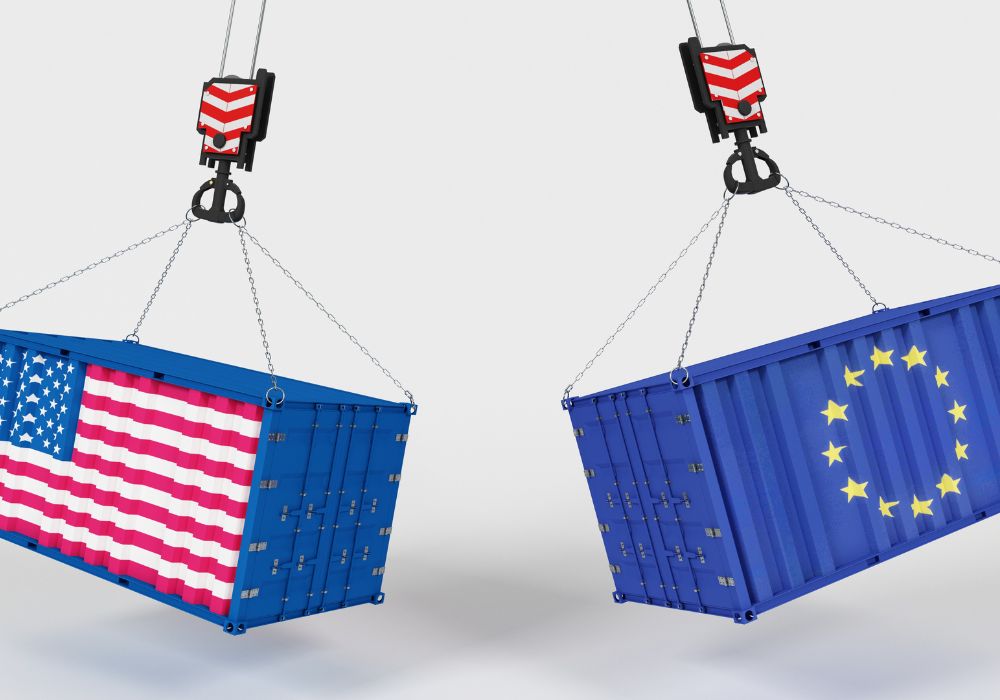
EMEAHow would the Eurozone economy fare under a 30% US tariff?
APAC
Asia absorbs the biggest hit – and books some of the biggest gains.
Asia faces the biggest energy trade disruption through the Strait of Hormuz, yet it books the biggest gains from the Supreme Court tariff ruling. China’s US exports forecast to grow 4.4% in 2027. India’s story remains complex. Shipping costs and supply chain reconfiguration are already underway across the region. There’s more beneath the surface. →
-
 APAC
APACGlobal trade is losing momentum
-
 APAC
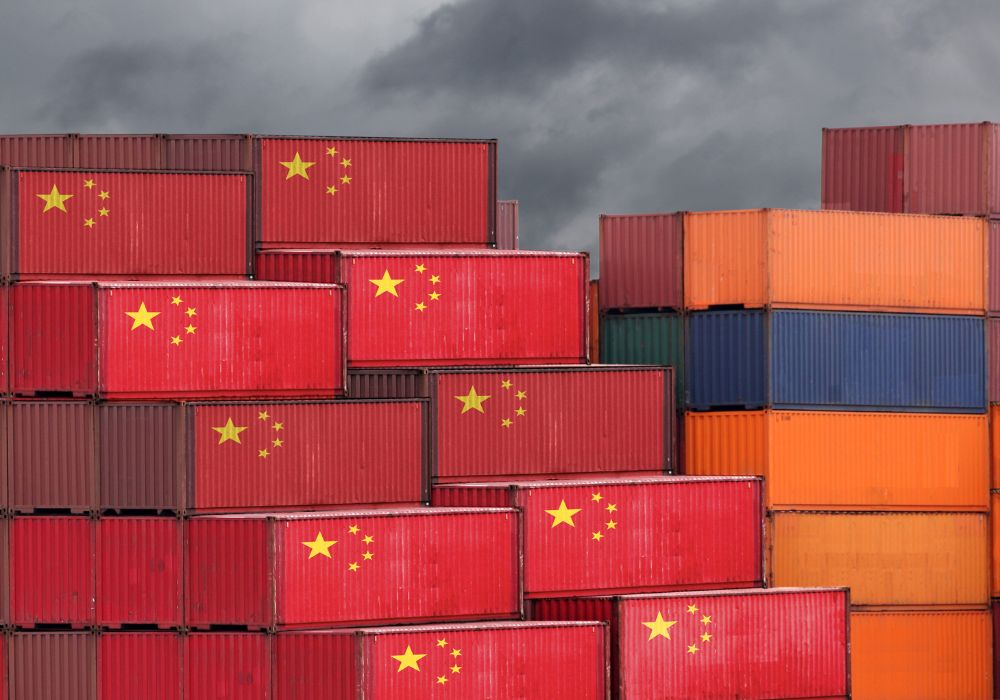
APACWhy have China’s exports held up so well under higher US tariffs?
-
 APAC
APACASEAN growth opportunities following US-China Tariffs
-
 APAC
APACConstruction across sectors hitting record highs now and by decade’s end as economy slowly gains momentum
-
 APAC
APACRisk pendulum swings from inflation fight to trade tensions, economy to gradually gain momentum.
-
APAC
Understanding Australia’s Goods Trade Dynamics in 2025
What’s next?
The global economy is more interconnected than ever before, yet it faces unprecedented disruption and volatility. The complications in trade and tariffs extend beyond bilateral relationships, impacting other regions, sectors, supply chains, and capital flows and more. Understanding these dynamics requires a truly global perspective, and that’s where Oxford Economics can assist you.
Fill in the form below to request a trial today and uncover insights for
Economies
Sectors
Cities and regions
product and commodities
How we help
Leveraging our Global Economic Model, which links major economies across the world via trade, capital flows, exchange rates and more, we provide the most integrated views and forecasts available. Our approach best reflects the interconnected nature of the global economy, positioning us to offer accurate, robust and impartial insights into how trade and tariff developments impact your business.
We help you:
- Keep up with developing trade tensions, supply chain issues, interest rate changes and FX fluctuations with our timely analysis of the macroeconomic, sector and city outlooks.
- Get a forward-looking view of potential blockages and cost changes, and identify pockets of opportunities with our robust forecasts of demand, supply and trading corridors.
- Anticipate potential opportunities and risks with our scenario analysis and modelling tools.
- Strengthen your in-house planning and analysis with access to economists-vetted datasets, concise chartbooks and interactive dashboards.

Insights to your inbox
Global trade and tariffs are being reshaped by forces beyond the tariff war. From the Supreme Court tariff ruling to energy trade disruption through the Strait of Hormuz, risks cascade through supply chains, shipping costs and consumer demand worldwide.
Powered by our Global Economic Model and 400+ economists, Oxford Economics turns complexity into competitive advantage.